Newsletter Topic #5 - Introducing Radical Innovation Through Design: How Project Professionals Help Shape the Future of Transparent Wood
Author(s)
Tag
Newsletter Topic #5 - Introducing Radical Innovation Through Design: How Project Professionals Help Shape the Future of Transparent Wood
Bringing a radical innovation from the laboratory to society is not always a straightforward process. Beyond technical performance, innovative materials must be understood, accepted, and valued by the people who will potentially design, use, and experience them. This challenge is particularly relevant for such emerging sustainable materials as Transparent Wood (TW), a new bio-based material that combines the natural structure of wood with the optical properties of transparent materials.
TW is produced by removing lignin, the component responsible for wood’s color and opacity, and infiltrating it with (bio)monomers. The result is a lightweight, strong, and transparent (or translucent) material with potential applications ranging from architecture and interior design to automotive and electronic products. While its technical properties have attracted growing scientific interest, understanding how people perceive and imagine this material is equally important for its successful adoption. Within the Horizon Europe project AI-TranspWood, researchers explored this challenge by convening two international groups of project professionals in dedicated focus groups and an online survey spread worldwide (still ongoing). The objective was not only to evaluate the material itself, but also to understand how future innovative products can be designed to meet users’ expectations and societal needs.
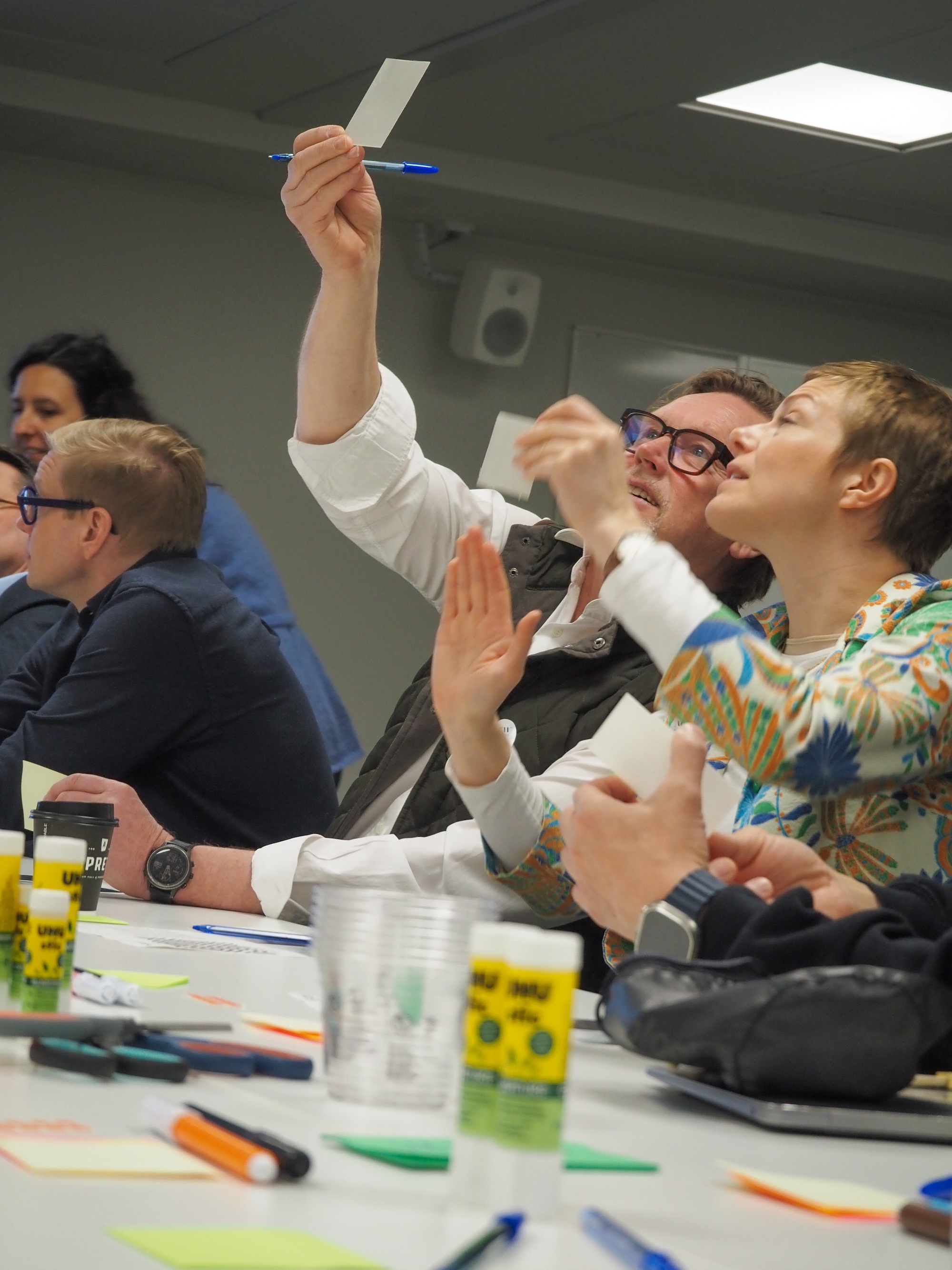
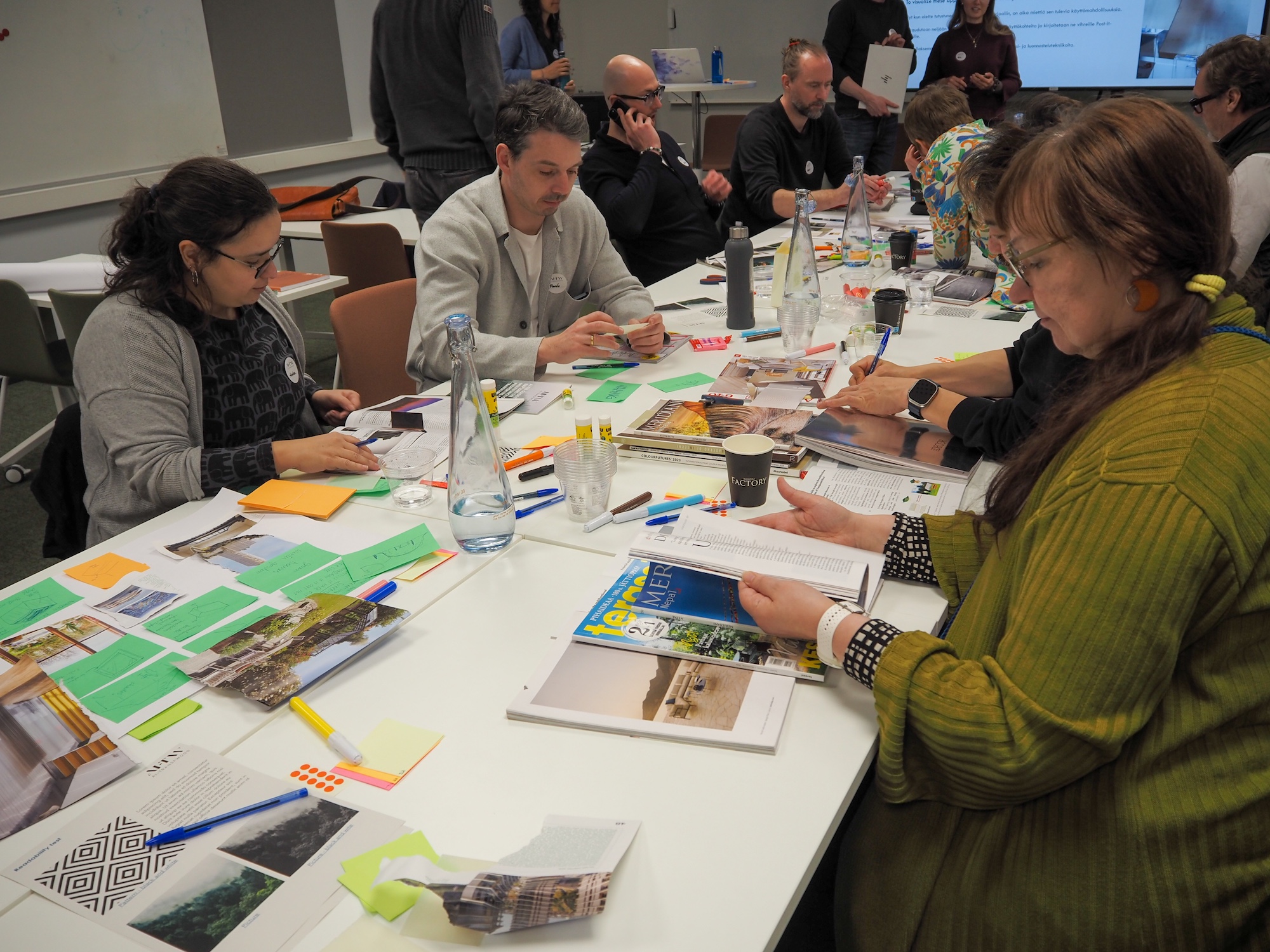
The focus groups brought together more than 20 professionals from different design-related disciplines. Participants were first invited to interact directly with TW through sight, touch, and hearing, without receiving any prior technical information. This approach allowed researchers to capture spontaneous reactions and unbiased impressions. Interestingly, participants described the material as delicate, light, calm, and natural. They often associated it with feelings of serenity, wellbeing, and comfort, with some potentials in high-tech applications. The second step aimed at encouraging creative thinking through analogies, cognitive mapping, and naming exercises. Participants compared TW with insects, aquatic animals, bicycles, misty landscapes, and peaceful cities. These associations revealed how people naturally interpret the material as a bridge between technology and nature. Its hybrid identity, combining the familiarity of wood with the unexpected characteristic of transparency, stimulated imagination and generated new ways of thinking about future applications. The participants were introduced to the scientific and technical aspects of TW only after this exploratory stage. Equipped with both sensory impressions and factual knowledge from a brief lecture, they were then asked to envision future products and application scenarios. Through collaborative discussions, sketches, and visual collages, they proposed a wide range of concepts, including sustainable interior solutions, smart surfaces, interactive screens, lighting systems, and wellbeing-oriented environments.
The results highlight an important lesson for the introduction of radical innovations into civil society. New technologies are not adopted solely because they perform better; they are accepted when people can understand them, relate to them, and imagine how they improve everyday life. Therefore, project professionals play a crucial role as intermediaries between scientific research and society. By translating complex technological developments into meaningful experiences, products, and narratives, they help bridge the gap between innovation and public acceptance. For TW, the study suggests that its future success may depend as much on communication and design as on engineering performance. Its unique combination of sustainability, functionality, and emotional appeal offers opportunities to create products that respond to contemporary expectations for environmentally responsible innovation. As society increasingly seeks sustainable alternatives to traditional materials, involving designers, project managers, and other innovation professionals from the earliest stages of development becomes essential. Their ability to interpret emerging technologies through the lens of user experience can accelerate market adoption and ensure that radical innovations evolve into solutions that people genuinely want to embrace.