Final International Stakeholder Workshop in Valencia
Final International Stakeholder Workshop in Valencia
AI-TranspWood presents its latest results at the final international Stakeholder Workshop in Valencia
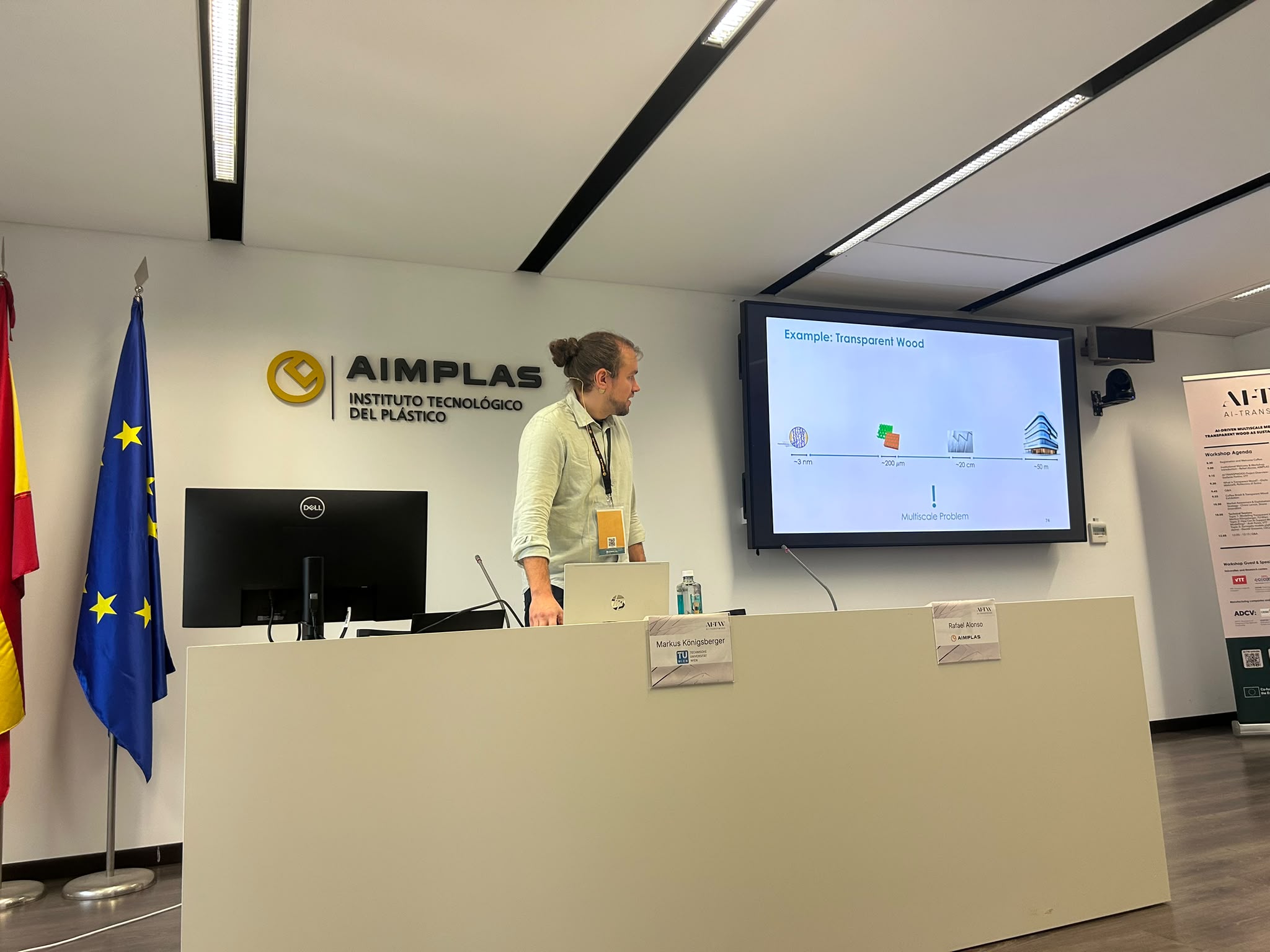
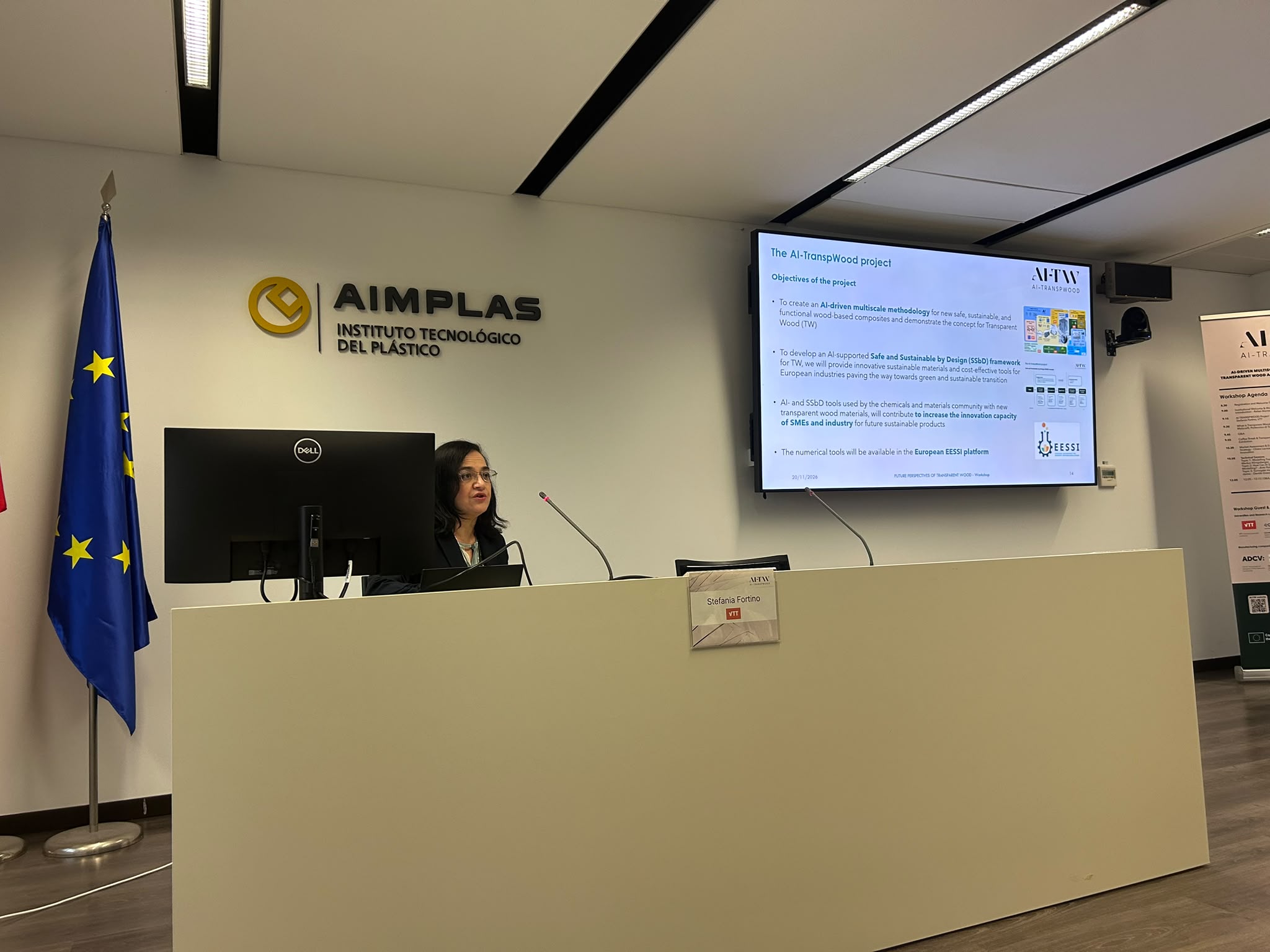
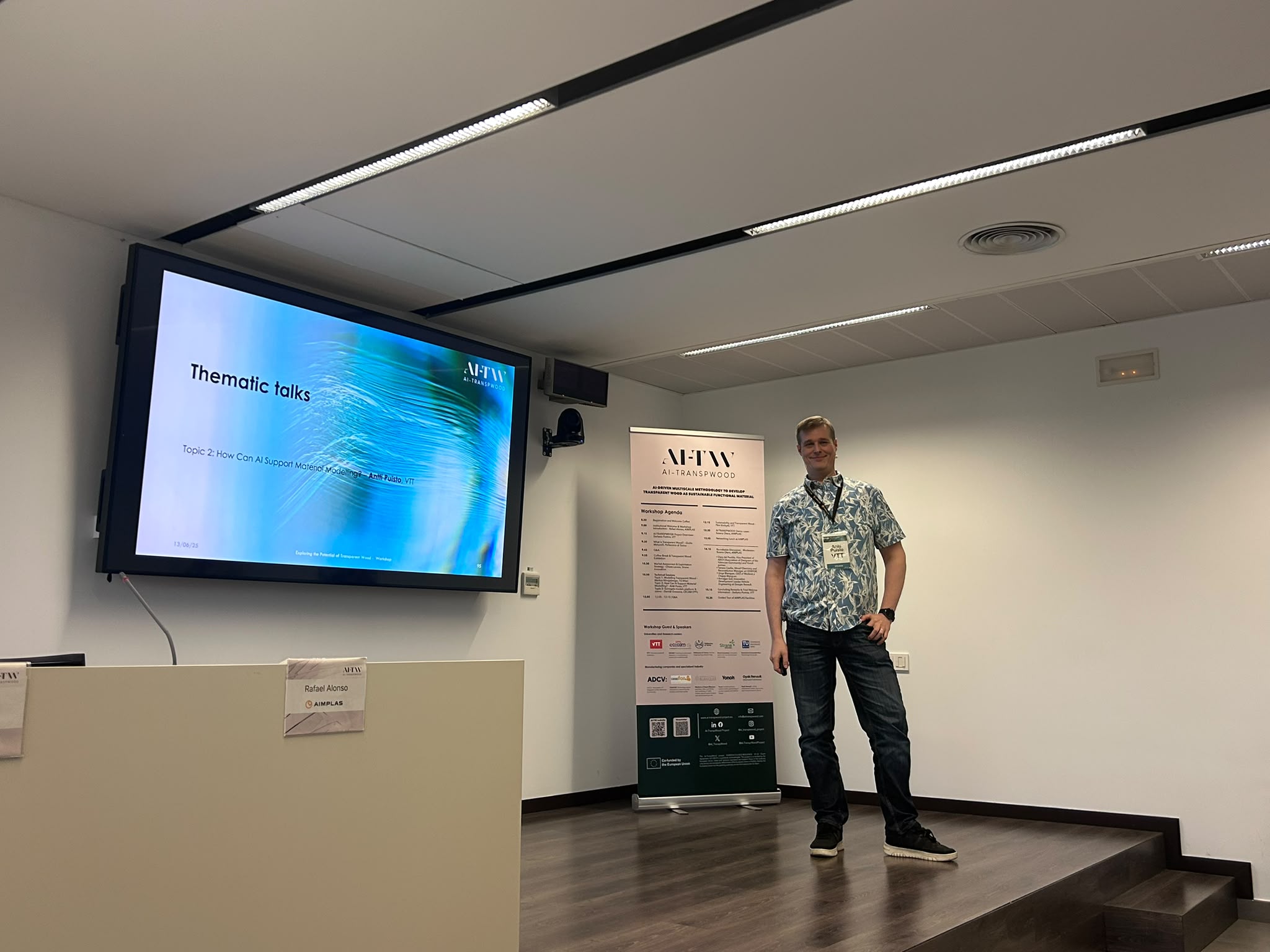
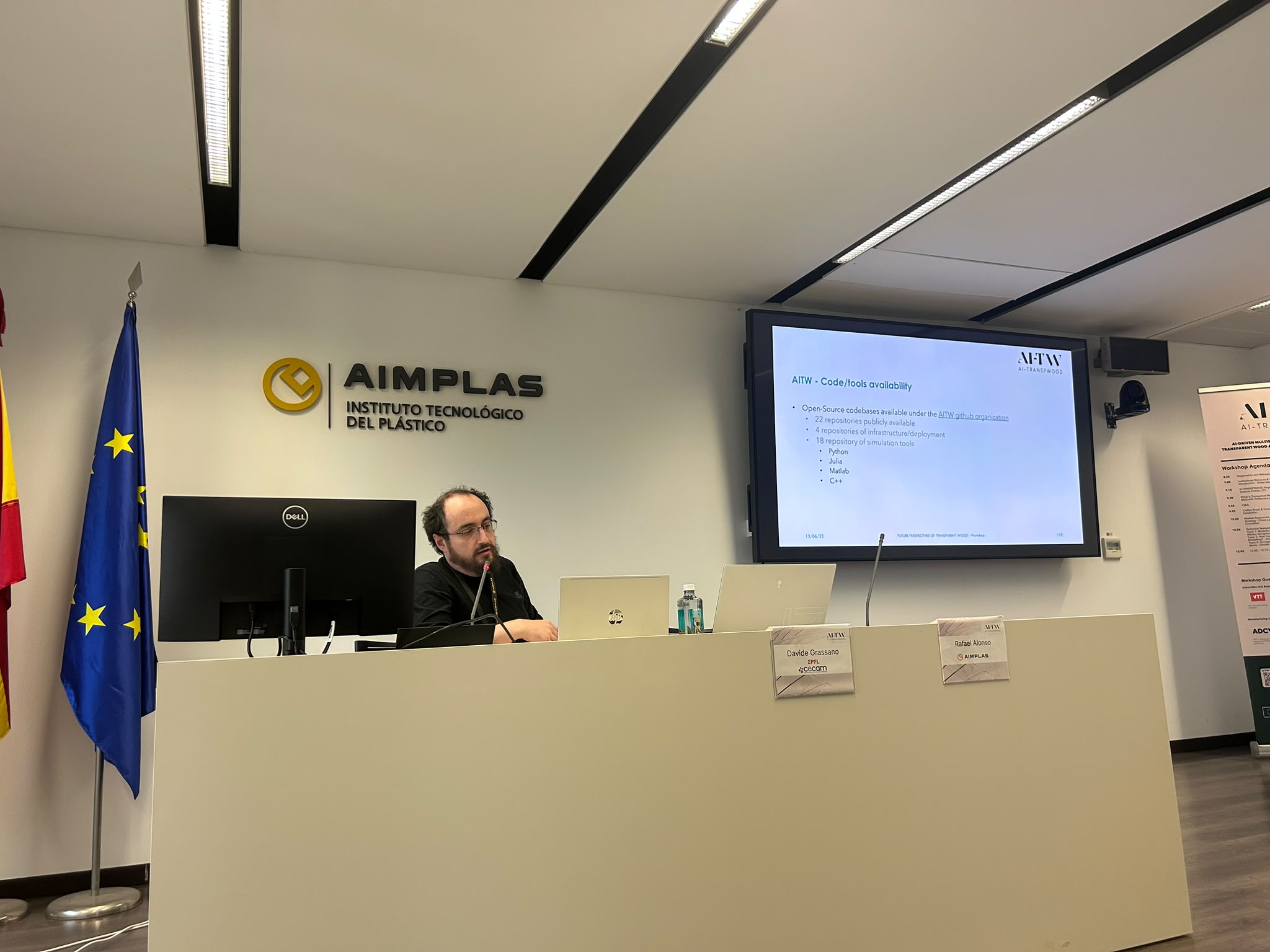
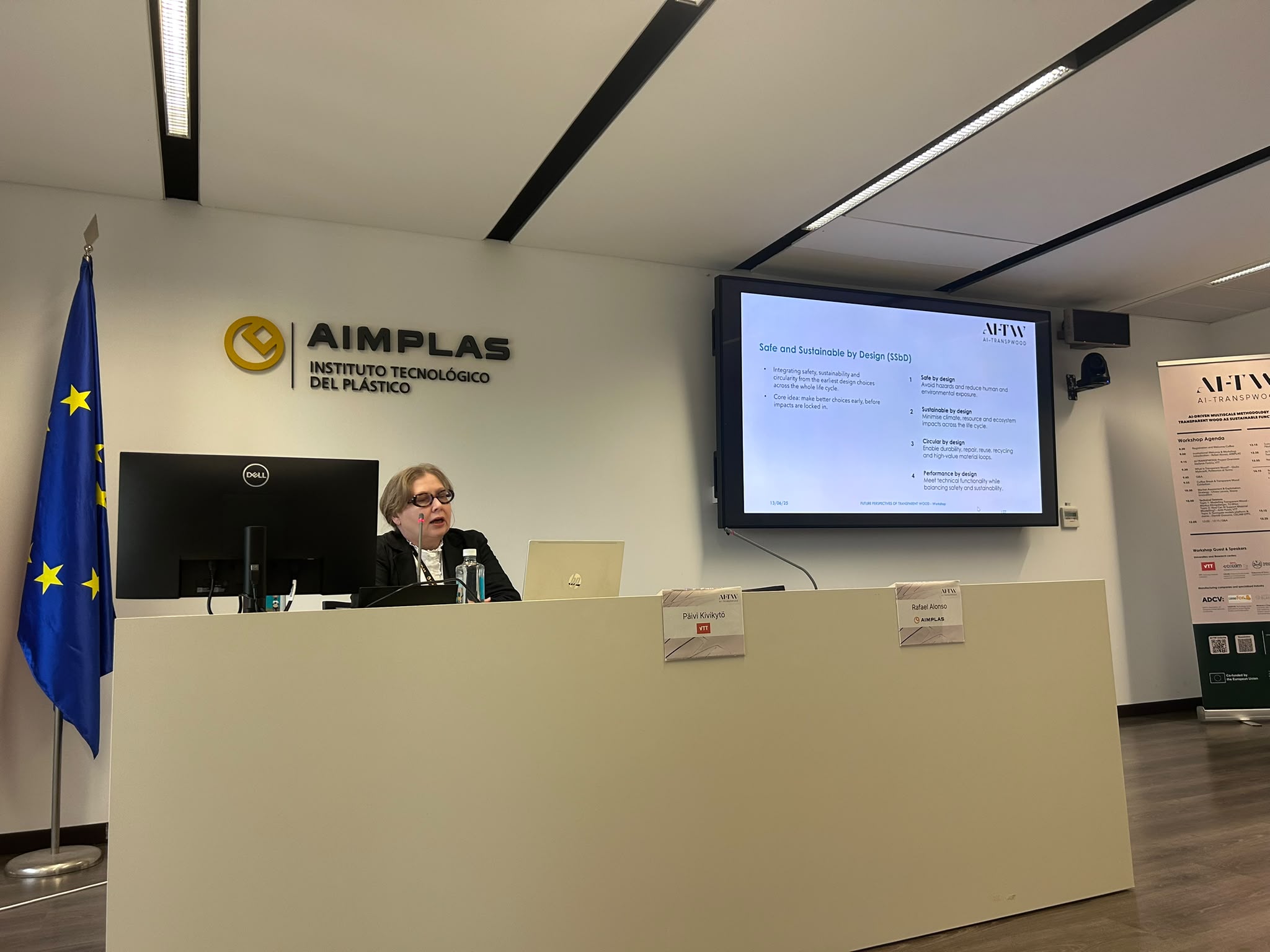
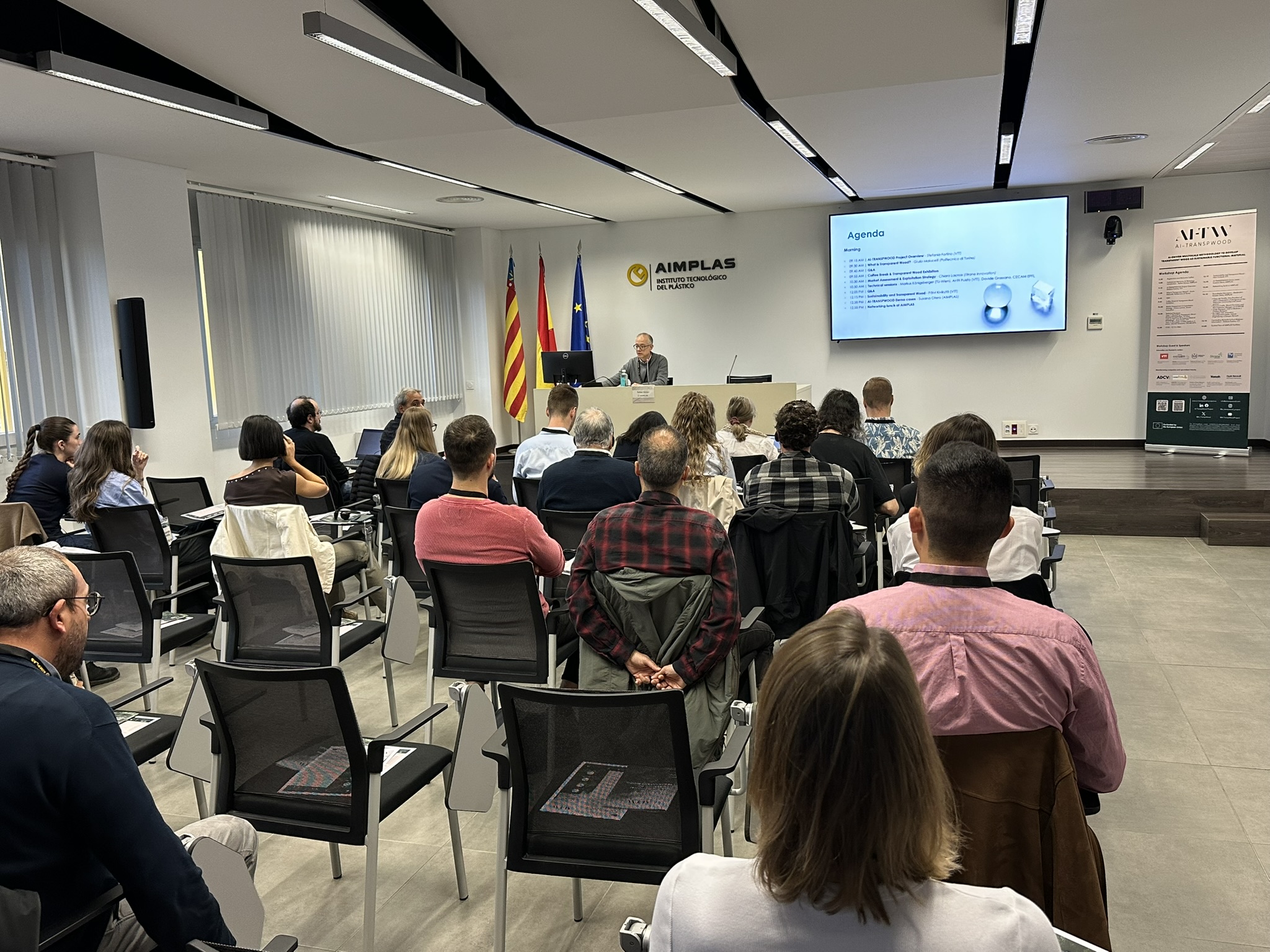
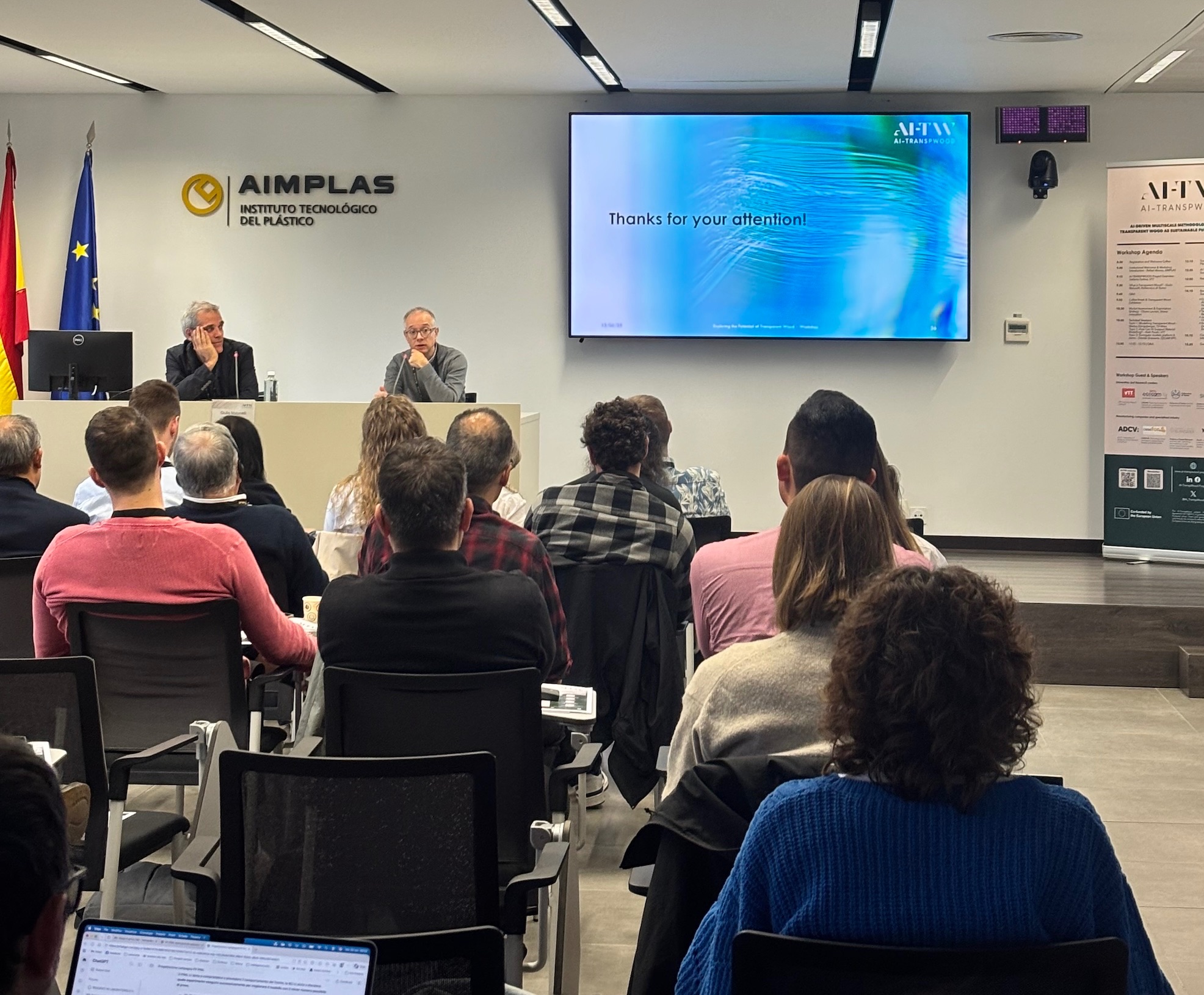
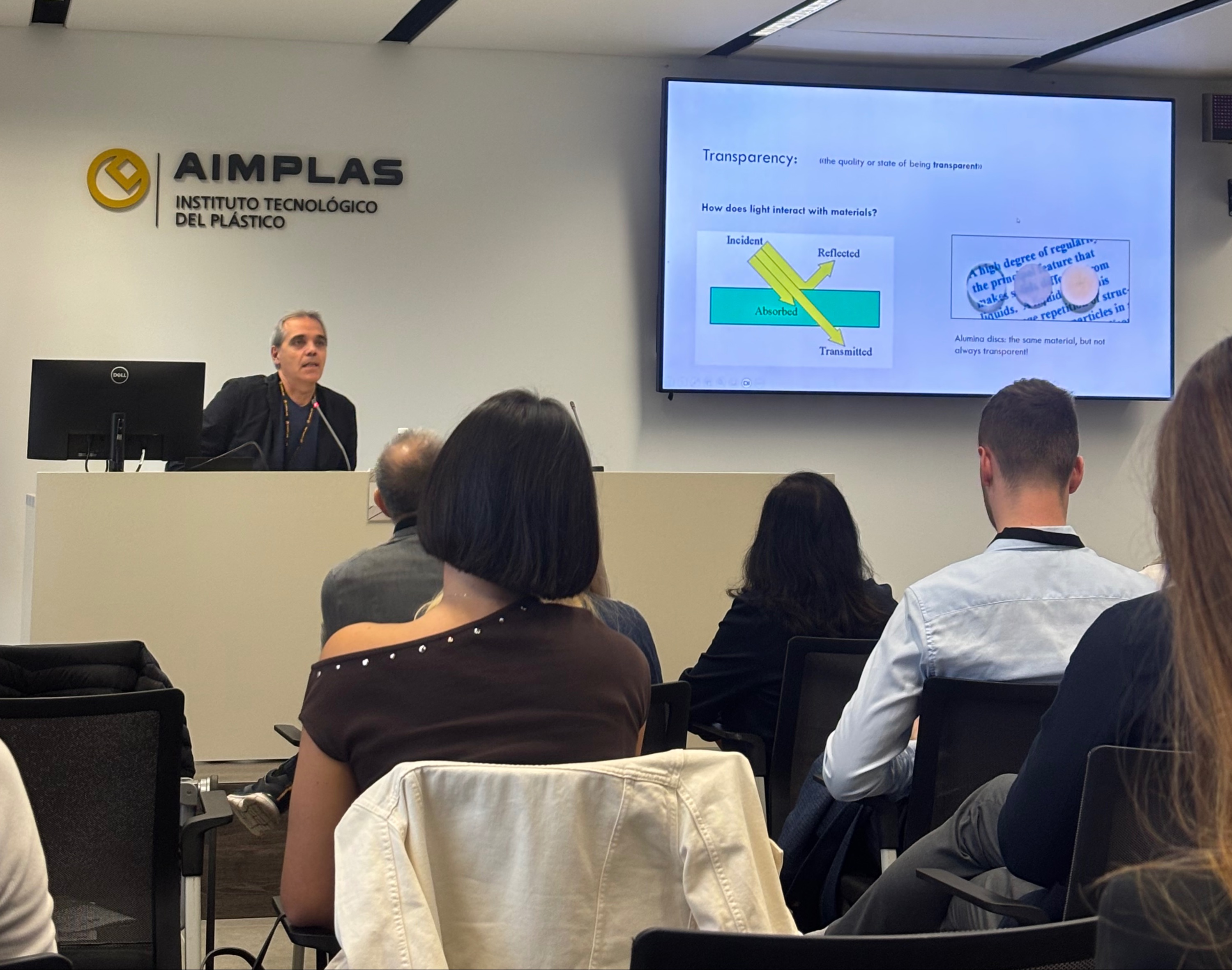
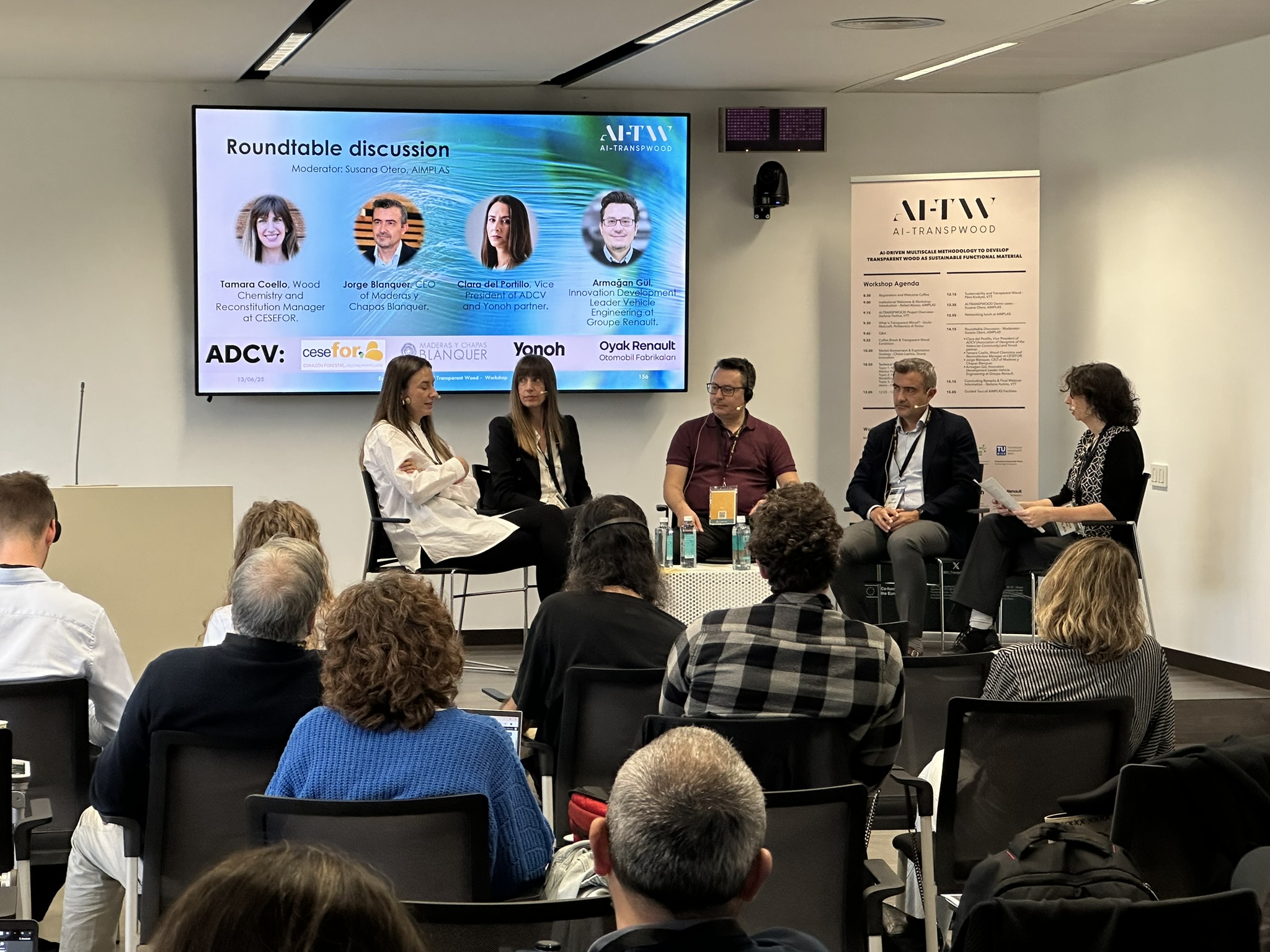
The second international Stakeholder Workshop of the AI-TranspWood project took place in Valencia, Spain, hosted by AIMPLAS. The event marked an important milestone as the project approaches its conclusion, providing an opportunity to present the latest research outcomes and discuss the future opportunities of transparent wood and sustainable functional materials.
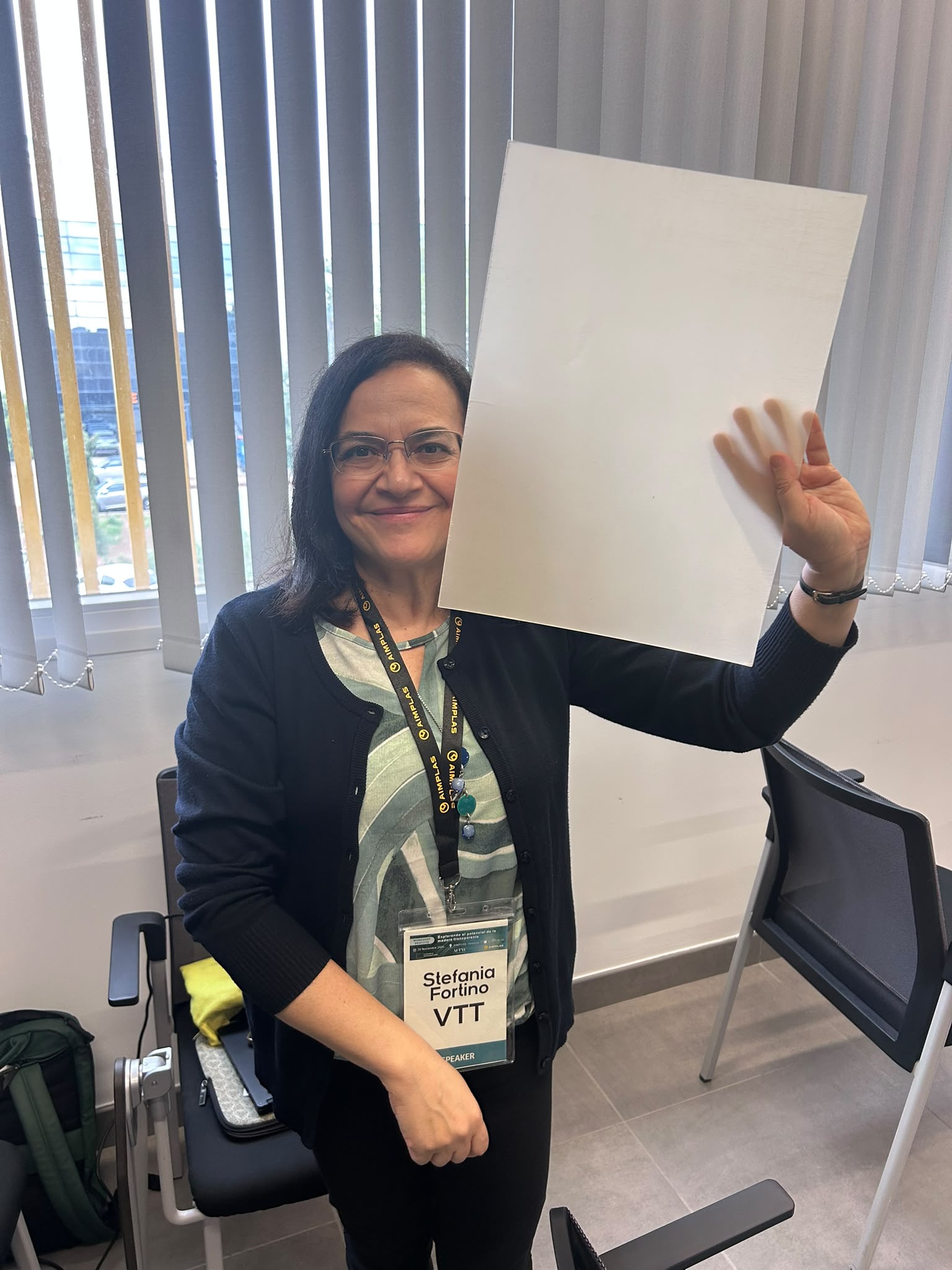
The workshop brought together researchers, technology developers and industry representatives from several sectors. Participants included experts from VTT, TU Wien, POLITO, CECAM EPFL, CESEFOR, Renault, Maderas y Chapas Blanquer and the ADCV design association. Their participation highlighted the growing interest in transparent wood and its potential applications in fields such as automotive, furniture, design and construction.
From research to industrial demonstrators
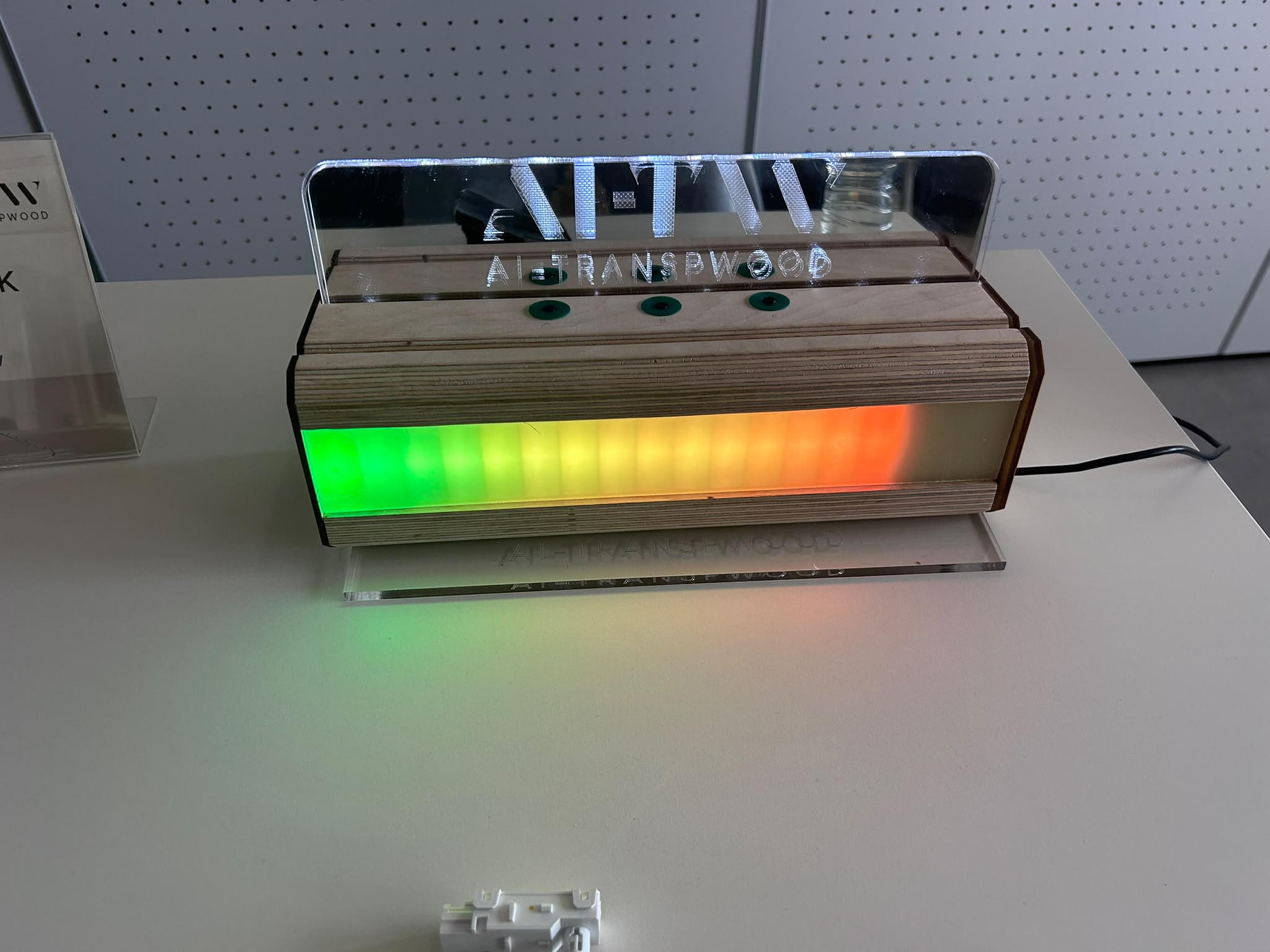
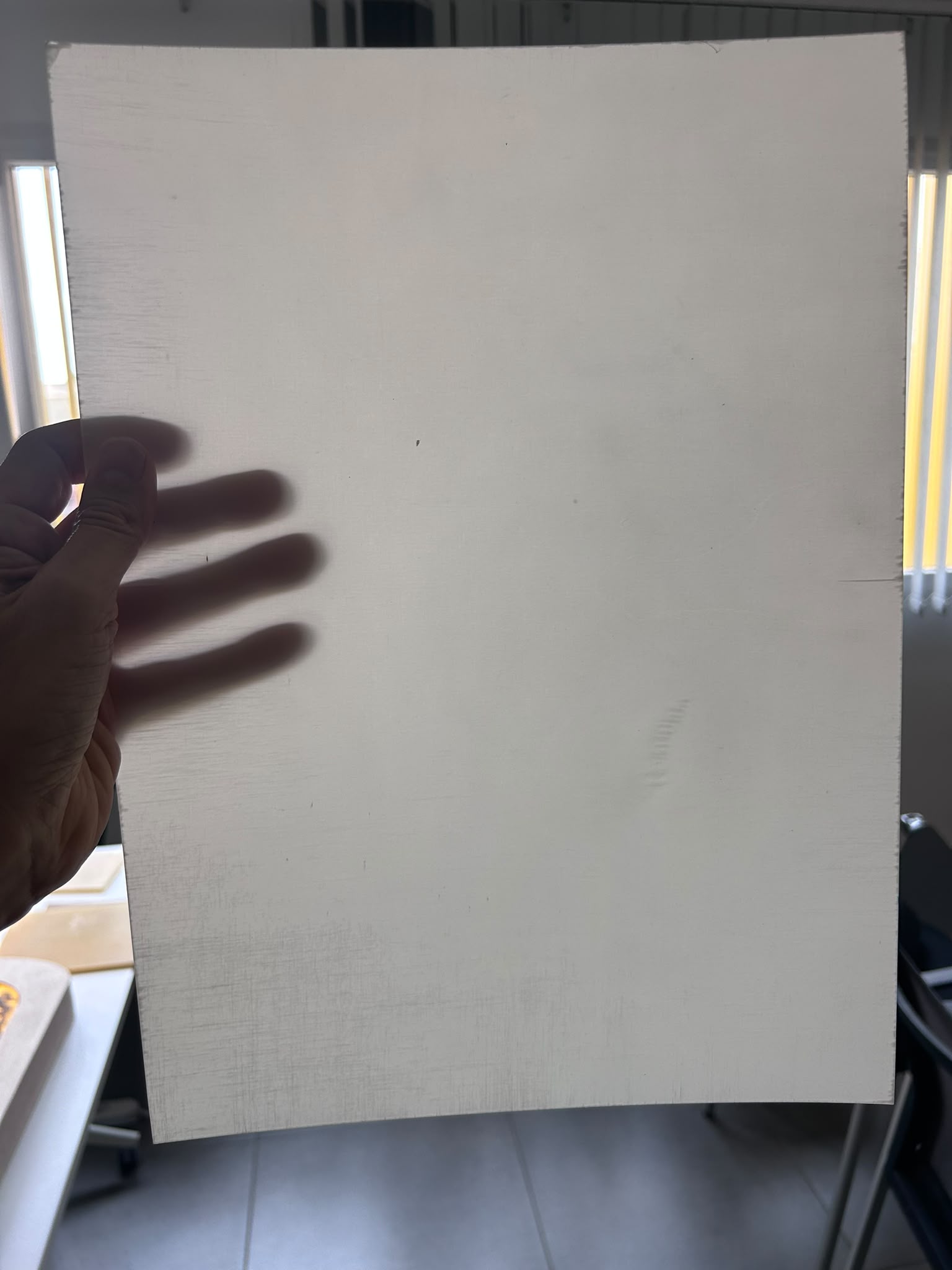
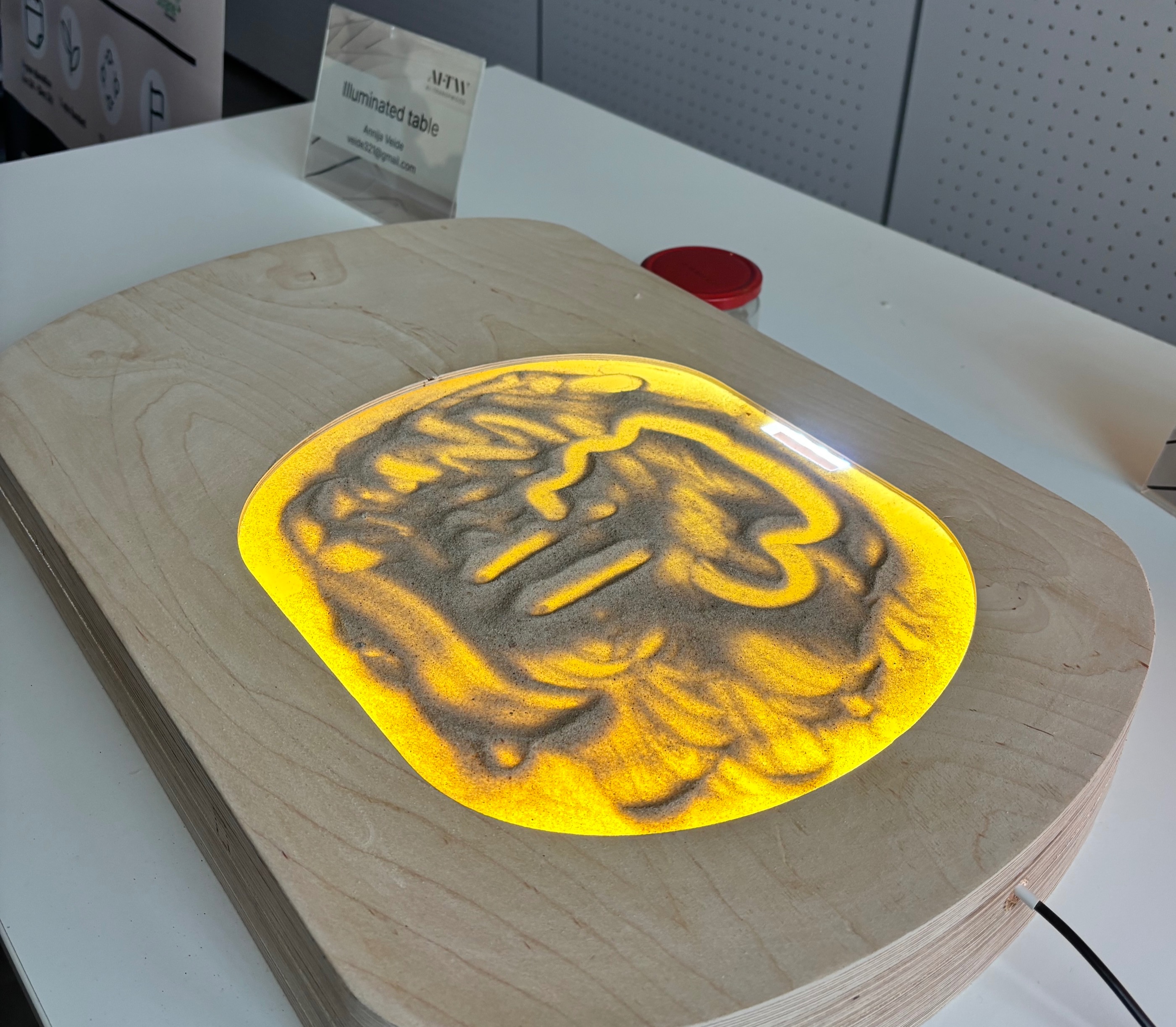
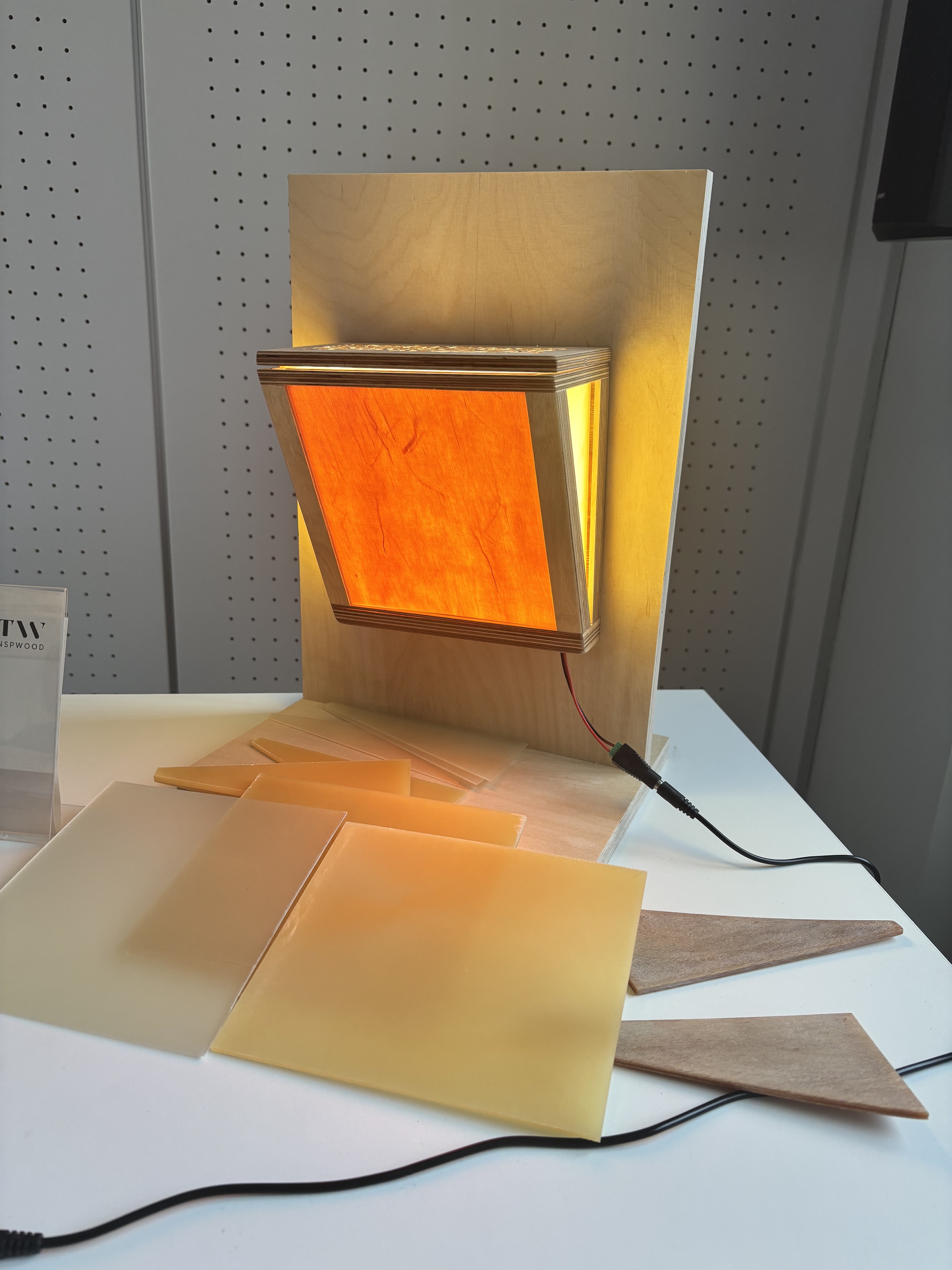
Among the project's main achievements is the development of a series of demonstrators designed to showcase the versatility and application potential of transparent wood across different industrial sectors. These prototypes illustrate how the material can be integrated into innovative products, combining functional performance, aesthetic qualities and a strong sustainability profile.
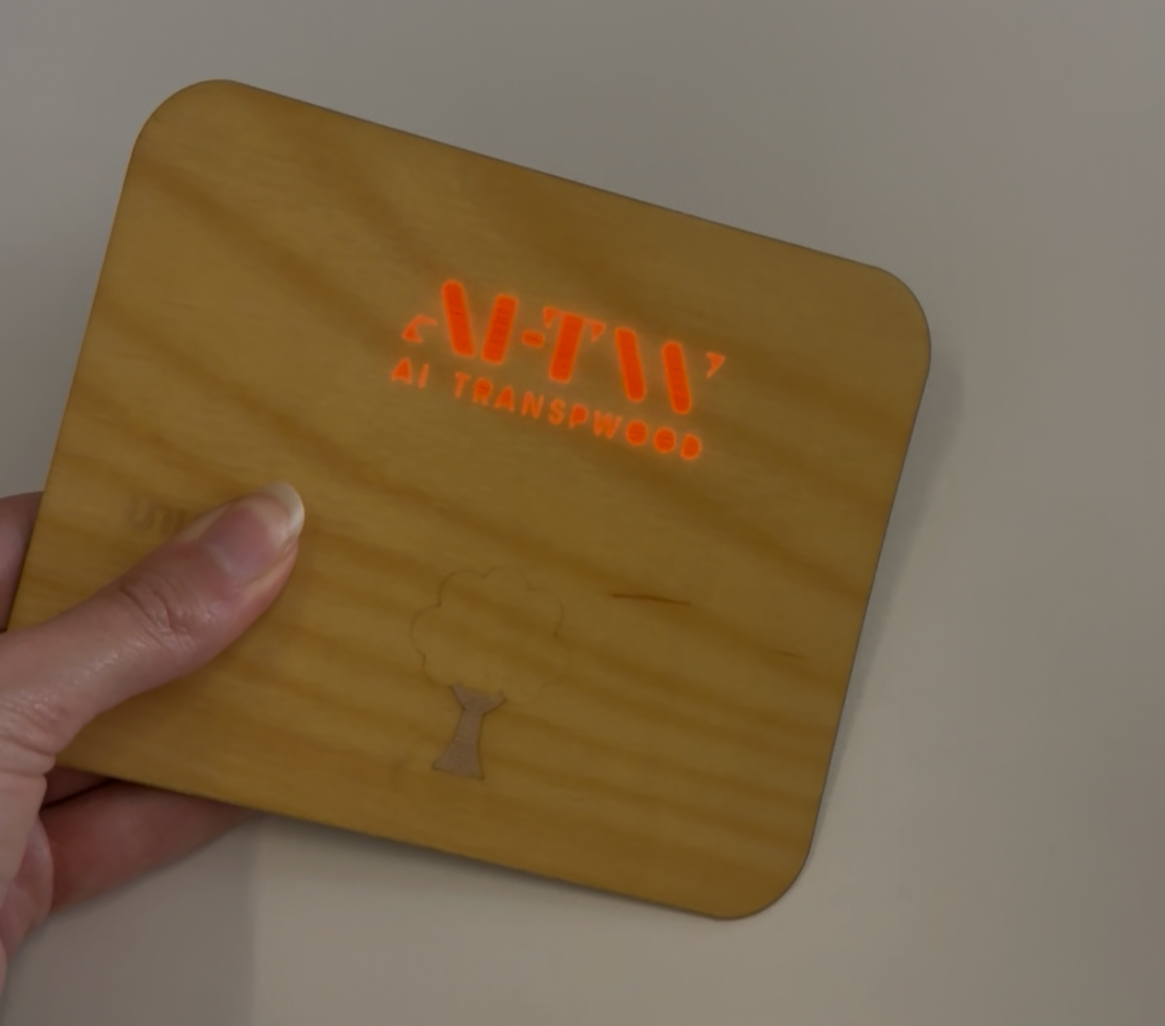
The demonstrators developed within the project include electroluminescent lighting systems, OLED-based luminous films, automotive light guides and decorative surfaces for furniture and interior design. Further developments have explored the use of transparent wood in wall and ceiling panels, multilayer structures and other design-oriented applications, bringing together material functionality and natural aesthetics.
Together, these demonstrators provide tangible evidence of the opportunities offered by transparent wood, highlighting its potential to enable new design solutions while reducing reliance on fossil-based and non-renewable materials.
Exploring market opportunities across multiple sectors
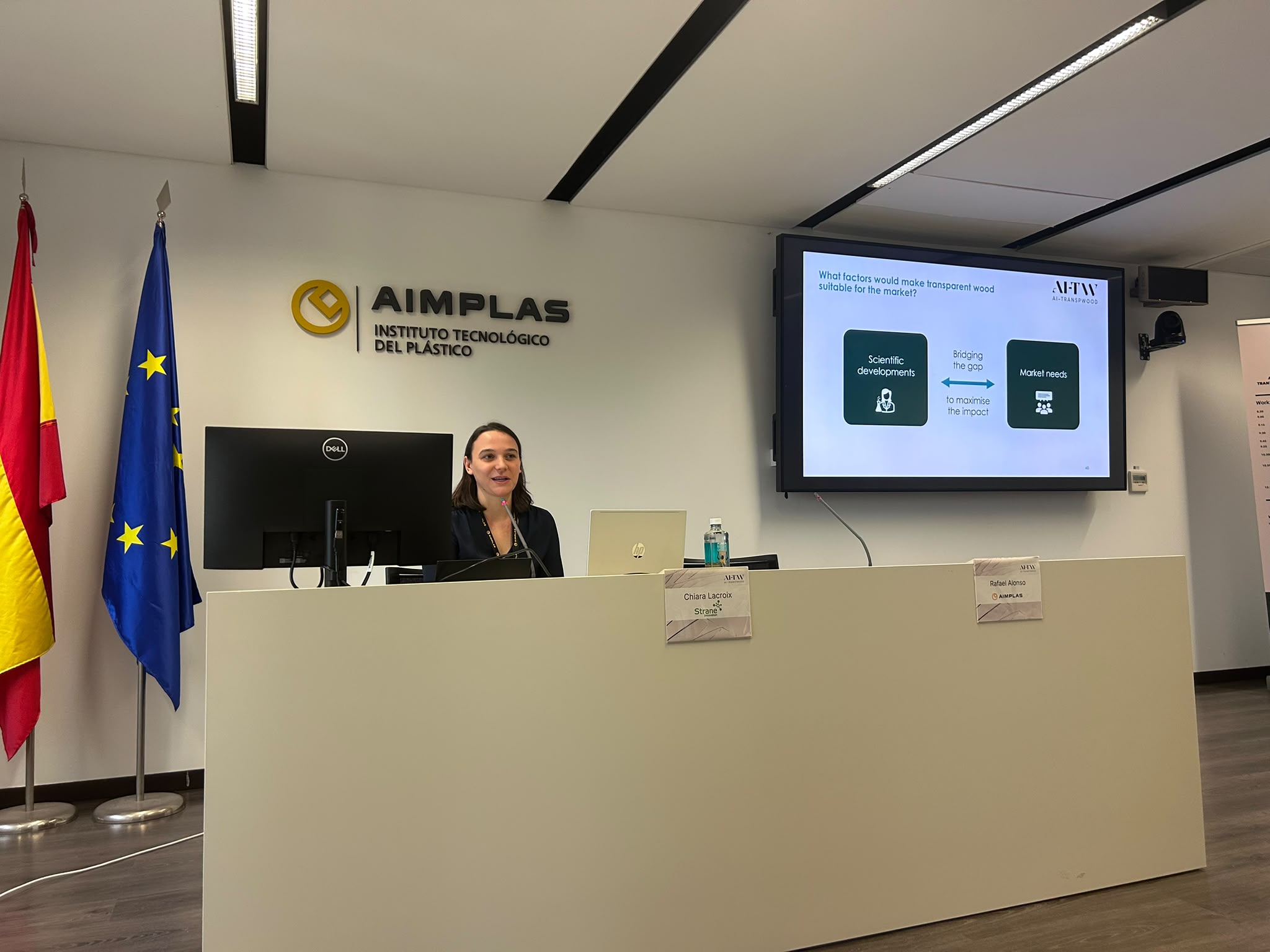
As AI-TranspWood approaches its final stage, the consortium is focusing on maximising the exploitation and market uptake potential of the technologies, materials and methodologies developed throughout the project.
Market assessment activities have identified promising opportunities and growing interest in several sectors, particularly construction, furniture, interior design, lighting and automotive manufacturing.
Discussions with industry stakeholders have highlighted the combination of sustainability, optical performance and aesthetic qualities as some of the material's most relevant competitive advantages. Potential applications include illuminated surfaces, decorative translucent panels, architectural elements, automotive interior components and other high-value products, where functionality and environmental performance are becoming increasingly important factors in purchasing decisions.
The results presented in Valencia represent an important step towards translating the project's research achievements into industrial opportunities, supporting the future development and market uptake of transparent wood as an innovative and sustainable bio-based material.